Let’s set the scene with a powerful image – Imagine a globe, not just the one in your geography textbook, but a vibrant canvas splashed with iconic landmarks – the Eiffel Tower, the Taj Mahal – alongside the technological marvels that connect our world: smartphones, satellites, and computer monitors. This image exemplifies the essence of what we’re here to discuss: the beautiful exchange between culture and technology.
Social Media: A Digital Silk Road
Social media platforms have become the bustling marketplaces of our time, but instead of spices and silks, we trade cultural experiences. Through these digital routes, traditions, music, and everyday life snippets from all corners of the world weave their way into our feeds. Korean beauty tutorials, Brazilian carnival highlights, the rhythmic pulse of African dance – these are just a glimpse into the global cultural buffet social media offers. The result? An appreciation for the richness of human diversity like never before.
Technology: The Culture Catalyst
The internet has become the ultimate gateway to cultural exploration. Gone are the days of dusty libraries and limited geographical reach. With a few clicks, we can delve into the opera houses of Vienna, browse ancient scrolls in virtual museums, or lose ourselves in the rhythmic poetry of Senegalese griots. This unprecedented access to cultural content fosters not just consumption, but a deeper understanding and appreciation for the world’s magnificent mosaic of traditions and expressions.

Tech Goes Temporal: Preserving Culture for Tomorrow
But what about safeguarding the irreplaceable cultural treasures of the past? Virtual reality steps onto the scene as a champion for cultural preservation. Imagine experiencing the grandeur of the Hanging Gardens of Babylon, or walking the halls of a lost civilization – all from the comfort of your living room. VR breathes new life into historical sites and artifacts, ensuring that these invaluable pieces of our collective heritage are accessible to future generations.
The AI Enigma: Culture’s Future Friend or Foe?
As we peer into the future, artificial intelligence (AI) emerges as a powerful force with the potential to significantly impact the cultural landscape. On one hand, AI could personalize content recommendations, translate languages with real-time accuracy, or even craft entirely new art forms. The possibilities are as vast as human imagination itself.
However, with such innovation comes the responsibility to address potential pitfalls. Cultural bias can creep into AI algorithms if they are not designed with diversity and inclusivity in mind. Furthermore, there’s a risk of cultural homogenization, where AI-driven experiences prioritize uniformity over the unique characteristics that define different cultures.
Augmented Reality: A New Lens on Culture
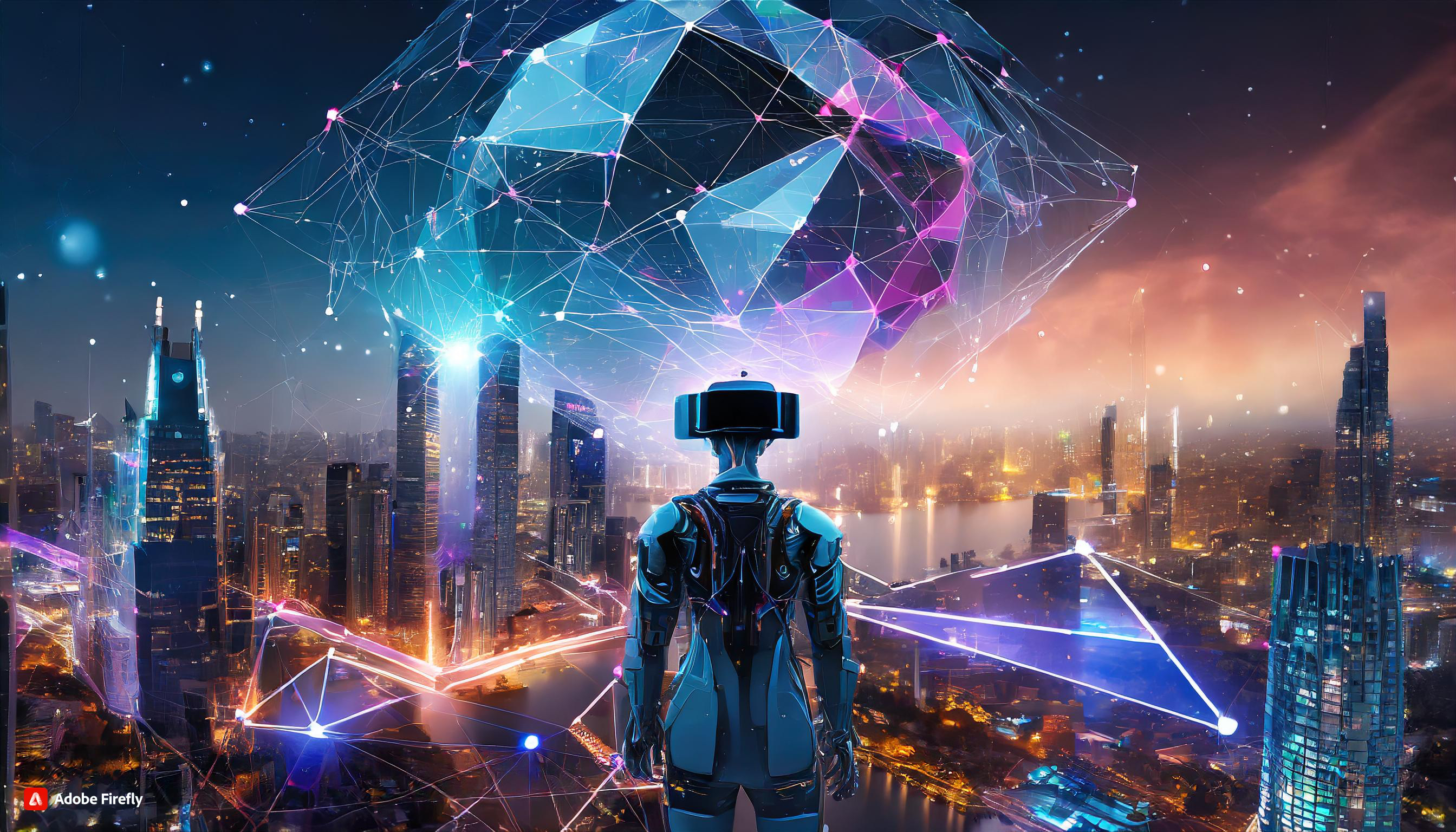
Augmented reality is another tech trend poised to revolutionise cultural experiences. Imagine visiting a museum and having historical details come alive before your very eyes through AR glasses. Imagine exploring a new city and having landmarks and cultural hotspots highlighted with information and recommendations. AR bridges the gap between the physical and digital worlds, creating a richer and more interactive way to connect with culture.
The Human Touch: The Irreplaceable Ingredient
As we celebrate this symphony of culture and technology, let’s not forget the irreplaceable human element. The human spirit, with its capacity for creativity, storytelling, and emotional connection, is what breathes life into culture in the first place. Technology is a powerful tool, but it’s our human touch that curates, interprets, and infuses cultural experiences with meaning.